
Remnants of Reassurance
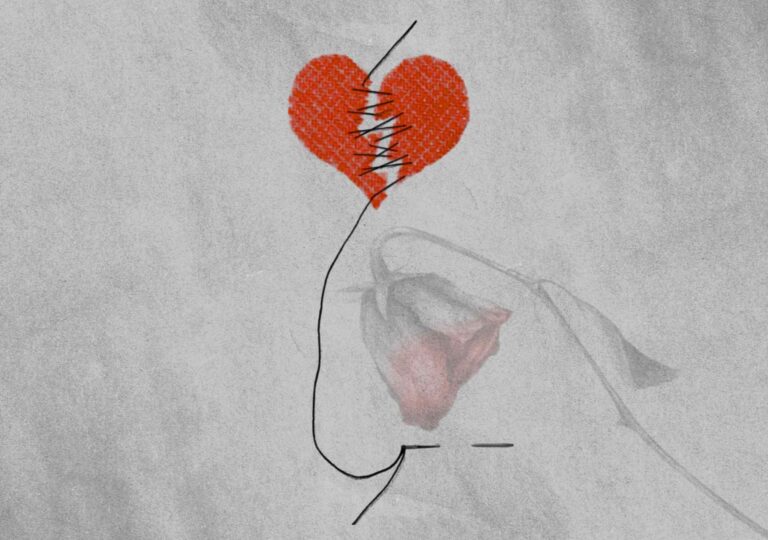
There are moments that do not only change the shape of a place, but alter the way people see life itself. Moments when fear becomes part of everyday details, and survival turns into something psychological as much as physical. This text does not seek to retell what happened as much as it attempts to pause at its human impact: how do people live after trauma? How do they carry the weight of memory and continue with their lives despite everything, holding on to whatever allows them to endure without completely losing the meaning of life?
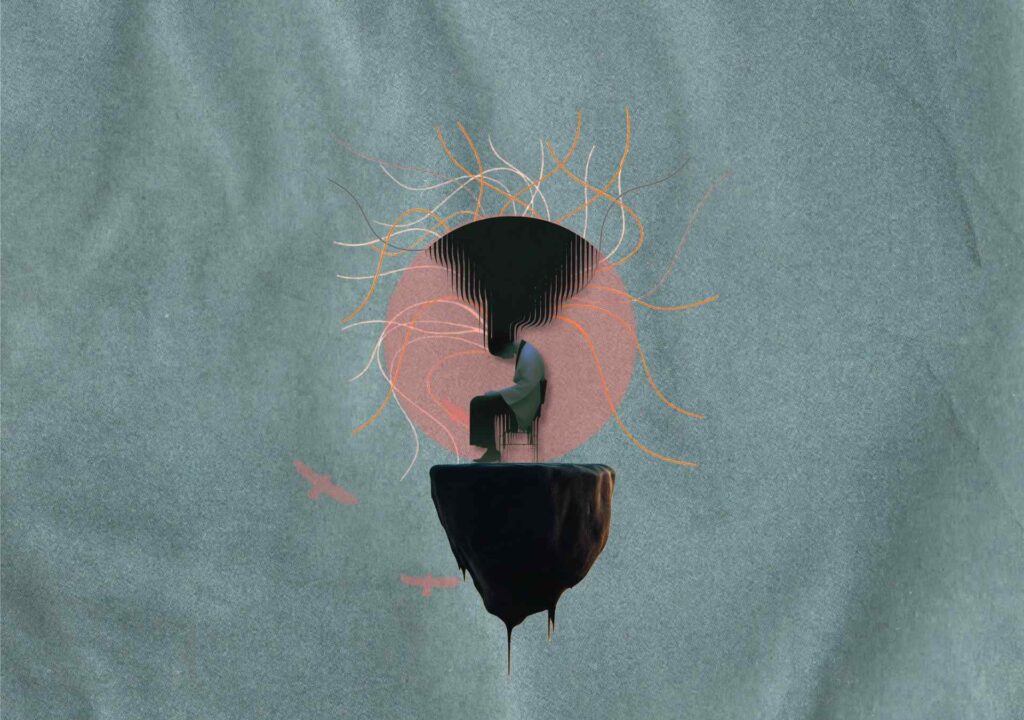
"One comes to realize that survival is not always a grand event — but sometimes, simply the quiet ability to carry on without entirely losing oneself."
— Lara Amer
It is difficult for a person to find a clear explanation for the moment when a familiar place suddenly transforms into a space filled with fear and loss. In As-Suwayda, cruelty was not merely passing news or a distant image seen from afar, but an experience that left its mark on the details of daily life and in the memory of those who lived through those days with all their confusion, anxiety, and unanswered questions.
Whenever violence passes through a place, it leaves behind more than direct losses. It creates a prolonged state of inner silence. People become more cautious, more inclined to observe the world through fear, as though trying to understand how life can change so quickly. Children, too, do not emerge from such experiences unchanged. They carry the sounds of tension in their memory and learn the meaning of anxiety and insecurity far too early, at a time when childhood should have been a natural space for play and reassurance.
And yet, amid all this heaviness, people still hold on to something that gives them the strength to continue. For many, faith in a justice greater than this life becomes a form of psychological balance that prevents them from collapsing entirely into despair. Not as an escape from reality or a denial of pain, but as a way of understanding loss and enduring it without allowing it to turn into inner bitterness or a constant desire to break.
Perhaps this is why people cling to the belief that what is lost here is not lost completely, and that exhaustion, fear, and deferred rights are not meaningless. This belief does not change what happened, but it helps people bear its consequences and gradually regain the ability to continue living despite the invisible scars they carry within them.
In harsh experiences, even the meaning of patience changes. It is no longer a quiet act of waiting, but a daily attempt to preserve psychological balance and maintain the bare minimum of humanity amid chaos. Over time, people discover that survival is not always a dramatic event, but sometimes a simple ability to continue without losing themselves completely.
And although memory remains burdened by what happened, hope still exists in some form. Not an idealistic or dreamy hope, but that quiet feeling that allows people to rise each day and hold on to the belief that life, no matter how harsh it becomes, is still worth living with less fear and more meaning.