
There, Where Home Is No Longer Home
This This text is not a complete documentation of what happened, nor an attempt to state the final truth.
It is an effort to survive memory… from oblivion.
What you are about to read is part of a story I lived, passed through, or that remained suspended inside me.
A story of a city that was never merely a place, but people, voices, and a fragile sense of safety… before it suddenly turned into something else.
This is not only a story of war, but a story of what war does to us when it changes us from within without us noticing.
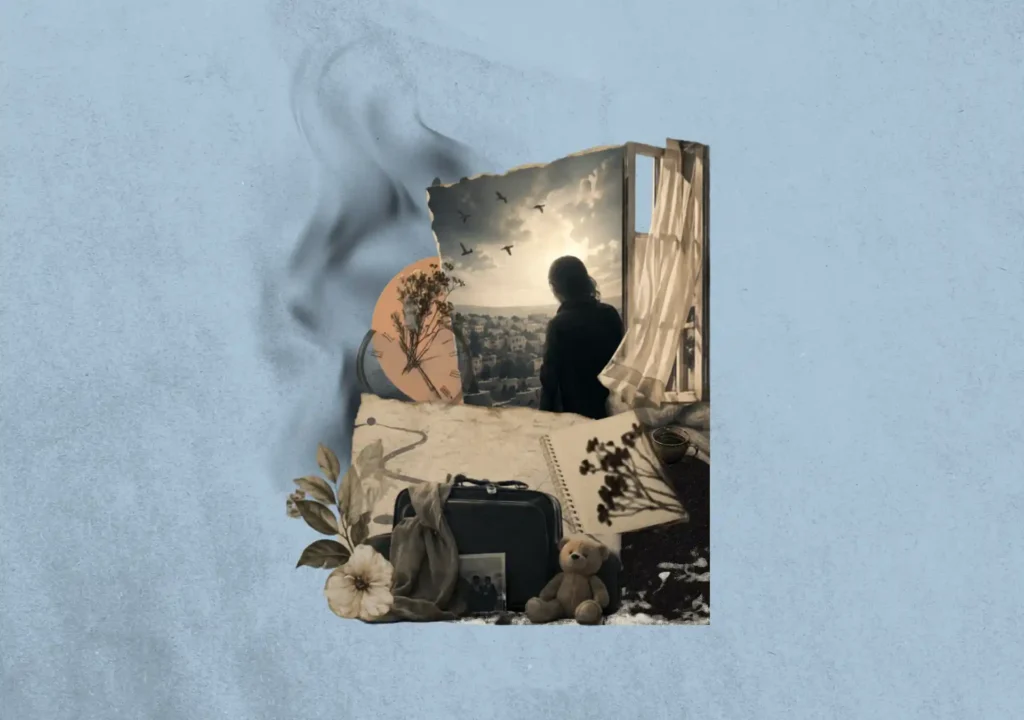
A whole generation suddenly found itself outside history. As if everything it had learned had become unreadable paper.
— Sidra Nader
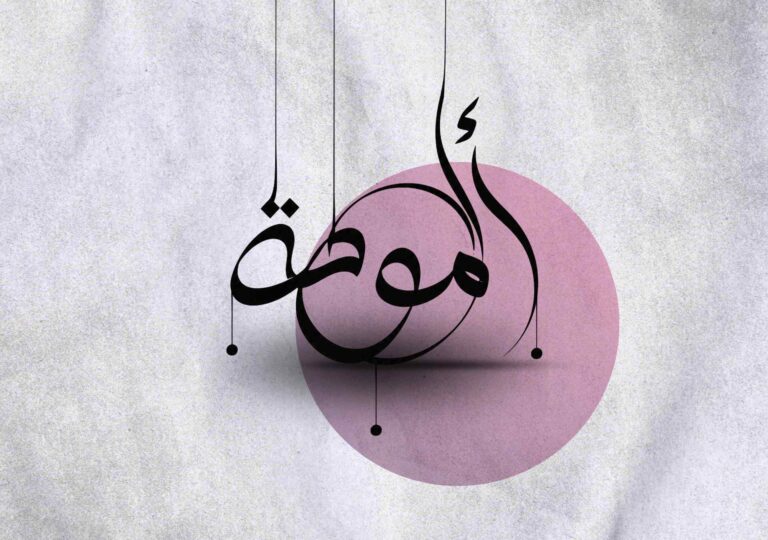
On the southern slopes of Syria, where mountains lean against the side of history, my small city sleeps: As-Suwayda. Its name is a diminutive of “black,” as if the land itself wanted to confess its secret from the very beginning. There, where dark basalt rocks are scattered, black was not only the color of nature, but later became the color of the story I lived.
As-Suwayda was never an ordinary city to me. It was a living memory, faces I knew, and doors that never closed in the face of strangers. But in a heavy July of a turbulent year, everything changed.
The story began with deceptive calm, like all storms. A Druze vegetable trader named Fadlallah Duwara was returning with his livelihood, unaware that the road between Khirbet al-Sheeb and Khirbet al-Faylaq al-Awwal would never take him home. At a checkpoint that was not merely a checkpoint, the story was cut off… or perhaps it began.
The man was abducted by Bedouin tribes, and it was said that his money and car were stolen. Hours later, the response came: ten Bedouins were abducted by Druze. A spark ignited that needed only a breath to become fire. The next morning, all were announced released, as if things had returned to normal… but the truth was hidden behind that announcement.
In the al-Muqawwas neighborhood, where Druze and Bedouins lived side by side, smoke rose. Neighbourhood was no longer enough to prevent bullets. Gunfire began, fear began, and the city began to lose its voice.
A curfew was imposed, secondary school exams were cancelled, and the streets fell silent except for anxiety. It was a war without declaration… silent, yet heard in the chest.
Then came the call: a demand for peace, for surrendering weapons, for trust. Some villages welcomed it and opened their doors as they always had. But the doors opened to guests—this time, fear entered through them.
Intentions were not as claimed. Within days, western villages burned, homes were looted, and innocent people were killed. No one was asked for their name, but for their sect. Belonging became an accusation, and the human became a target.
At that point, the breaking of trust was declared, and weapons were taken up against a deceptive enemy.
Terror seeped into the city. People fled, carrying their children and memories, leaving everything behind. Some could not escape and were trapped in their homes… in their city… in their fate.
On July 15, with the fall of Tal Hadeed, As-Suwayda was exposed. There was no protection left, no time. Tanks and armored vehicles surrounded the city, as if slowly suffocating it.
Then they entered.
In the streets, squares, and homes, stories were written in blood. Men were executed for welcoming their guests. Families were dragged into squares that became stages of death. In Tishreen Square, it seemed voices had fallen silent forever.
Even homes were no longer shelter. Some were forced to jump from their balconies, as if the sky had become more merciful than the earth.
And in the hospital, where life is supposed to be saved, souls were besieged. Rooms filled with the wounded, electricity and communications were cut, and the world seemed far away.
Armed men entered the hospital, not as patients but as force. Doctors were forced to work under threat. There stood a young man named Muhammad Bahsas. He was not a doctor, but an engineer who volunteered to save others. When asked to treat those who carried weapons against him, he refused. He would not compromise his humanity. One moment was enough… a bullet to the head, and a silent message to the rest.
Four days felt like years. Then airstrikes shifted the balance and forced the attackers to withdraw. But withdrawal did not bring anything back.
They left behind a broken city.
More than 1,700 lives were lost, and hundreds of thousands were displaced. Homes burned, families scattered, and children grew up in an instant.
But the story did not end.
In another corner, far from the sound of gunfire, a different battle was being fought. High school students, who carried pens instead of weapons, found themselves facing a reality that did not recognize their dreams.
Their exams were cancelled, then reinstated amid fear. They sat between shells and wrote, holding onto a thread of hope. But the shock came later: certificates with no value.
A whole generation suddenly found itself outside history. As if everything it had learned had become unreadable paper.
And yet… it did not fall.
In a city that learned to rise from beneath the ashes, faith in knowledge remained. Because war may steal homes and kill loved ones… but it does not win as long as the dream remains alive.
And so As-Suwayda remains between sorrow and hope, between silence and scream.
And despite everything… it is still writing its story.
And I am from it.