
When Bodies Outlive Narratives
Between the mountains and old houses, stories are not passed down through words alone, but through bodies as well.
There are things a person learns without anyone ever explaining them — as though the body preserves them on its own, repeating them whenever survival becomes necessary.

"And what remains after everything is not only the story itself, but the body that remembered it."
— Aya
In small communities, rituals remain alive even after their explanations disappear.
Water is poured over heated lead to break the evil eye, people climb barefoot toward sacred places, henna is placed over sites of pain, and prayers are recited over the body as though words themselves possess the power to heal.
No one asks too often why these rituals work, yet they continue, because people inherited their effect more than their explanation.
Sometimes, myth does not survive in books, but in the body that keeps repeating it.
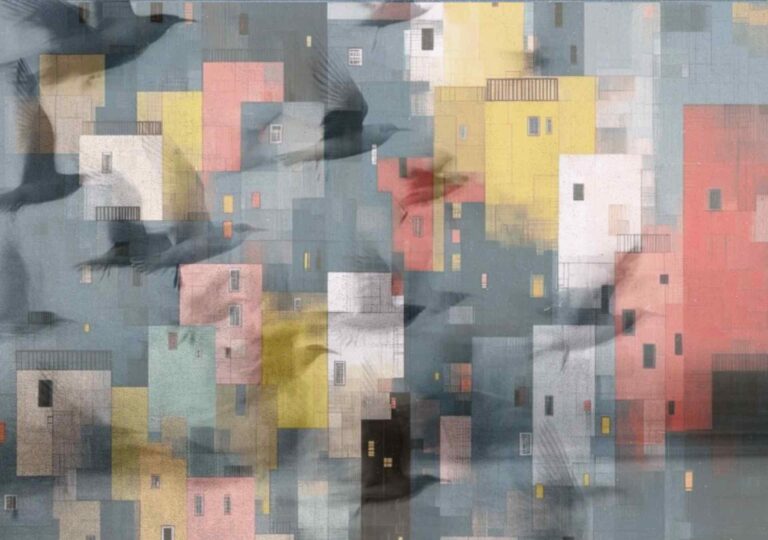
In As-Suwayda, old stories were never merely tales told about ancestors, but part of the way people understood themselves and the world around them.
There was an old belief passed quietly between generations: that they won every battle they entered because they defended rather than attacked.
And that the hardships they endured were not endings, but long tests of patience and endurance.
Many grew up hearing that the mountain was accustomed to hardship, and that survival depended more on the cohesion of the community than on strength itself.
Over time, these stories became a form of collective memory that gave people a quiet sense of reassurance, even in the most unstable moments.
But what happens when hardship becomes greater than the story’s ability to protect?
In July, the massacre did not enter homes as a passing event, but as something that altered the rhythm of the body itself.
People began sleeping lightly, listening for every sound at night, watching roads and windows, gathering around the news as though they were trying to protect one another simply by remaining together.
Even fear developed its own collective ritual.
Mothers who once told their children not to wander too far began telling them to stay away from the windows.
Homes that once opened warmly to guests began closing cautiously.
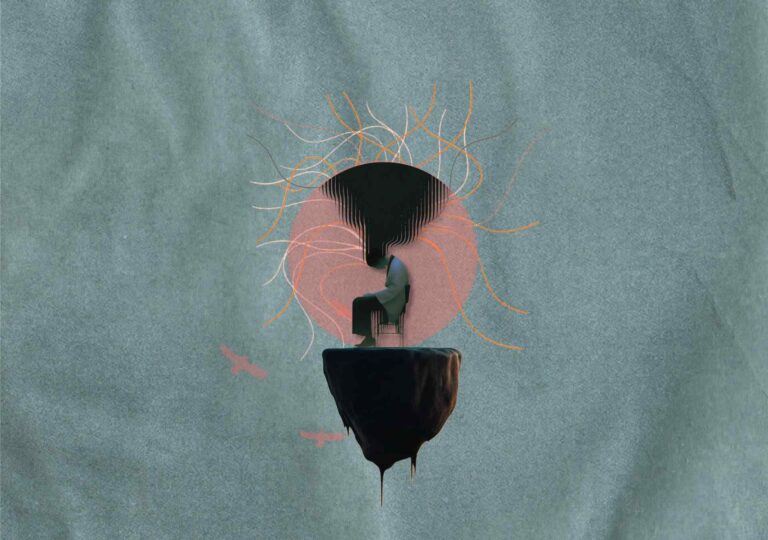
And bodies that had once known reassurance began learning survival instead.
Perhaps this is why massacres do not end when the gunfire stops.
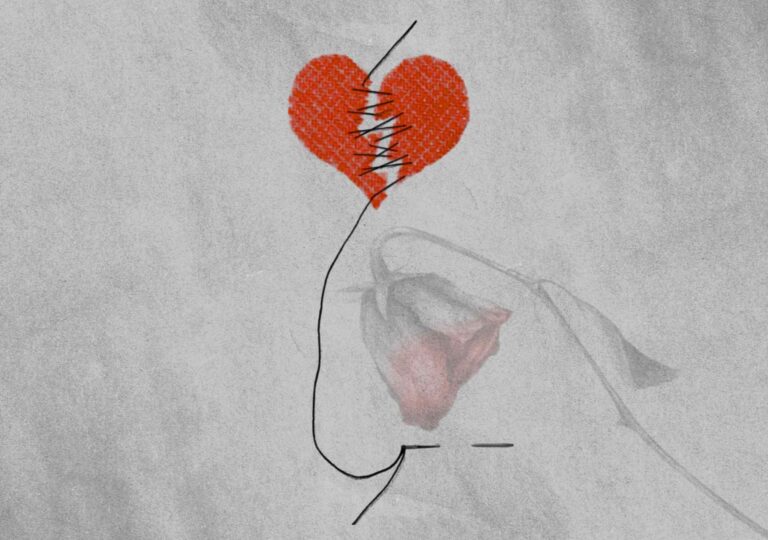
Because they leave something inside the body that continues long afterward: in the way people sleep, in their tension toward sounds, in sudden fear, and in the constant need for someone to remain near the door.
And just as rituals pass from one generation to another, trauma does too.
Yet even amid devastation, human beings always try to create meaning out of what happens to them.
This is why stories, myths, and rituals remain part of the ways communities protect themselves from complete collapse.
Perhaps rituals do not always save people, but they give them the feeling that they are not alone.
And what remains after everything is not only the story itself, but the body that remembered it.
Maybe this is why old stories do not die easily.
Communities do not preserve themselves through memory alone, but through what that memory plants within the bodies of their people.
Human beings do not inherit fear only through words, but through the way they listen, through caution toward the roads, and through the tension that settles into the body even in moments of safety.
And just as old rituals passed from one hand to another, and from one body to another, so too did the methods of survival.
In As-Suwayda, the massacre was not an event that simply passed and ended, but something that reshaped the relationship between people and their homes, their voices, their sleep, and even their silence.
And yet, people continue to hold tightly to their old stories — not because those stories explain what happened, but because they offer a hidden ability to endure.
Perhaps myths cannot save anyone from pain, but they keep communities from feeling that they are facing it alone.
And this is why, when stories begin to fade, the body remains the last thing that remembers.