
I Am Not a Captive
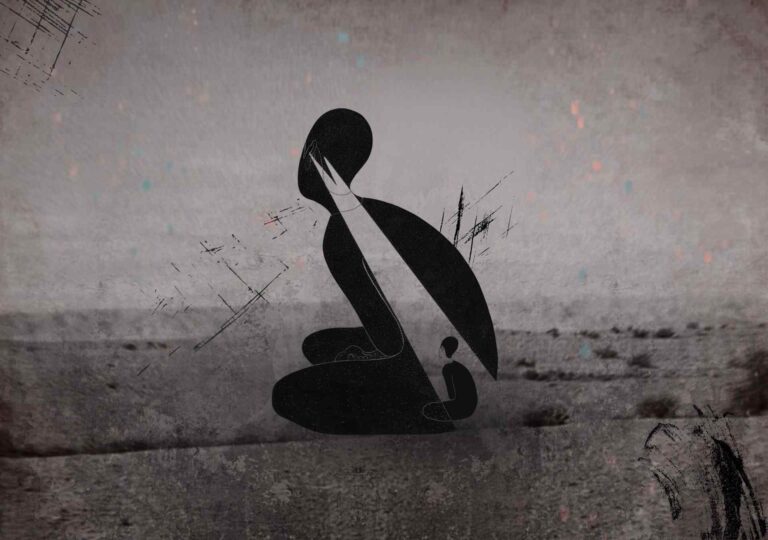
This testimony is not about a single incident, but about the fear that slowly infiltrates everyday life when a person begins to feel that even their identity has become a question.
From a passing conversation in front of a rural house, to the anxiety shaped by the transformations Syrians have lived through in recent years, this text reveals how words and small events can leave deep traces — and how fear gradually shifts from an inner feeling into a lived reality that threatens the meaning of safety and belonging.
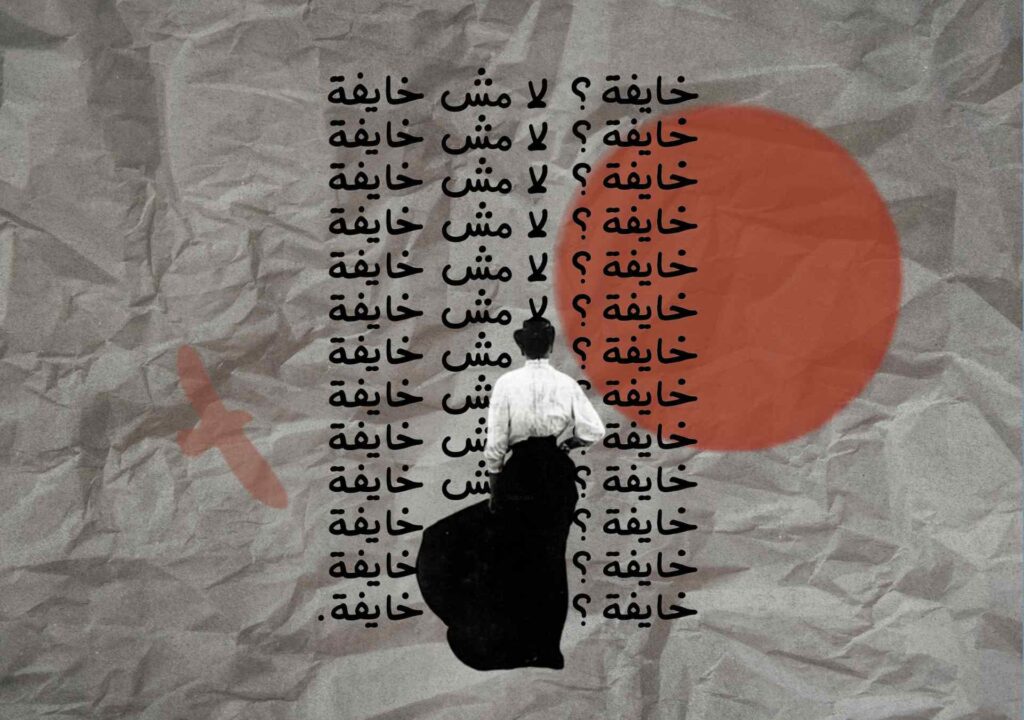
«But even the sea can no longer calm the anxiety that began growing inside us since the end of 2024.»
— Hanin
Will safety return?
She is a mother.
She asks me, fear visible in her eyes: “Will safety return one day?”
I have become addicted to following the news, and I have also become its source for the neighbors.
She is a mother afraid for her children, and I am the same.
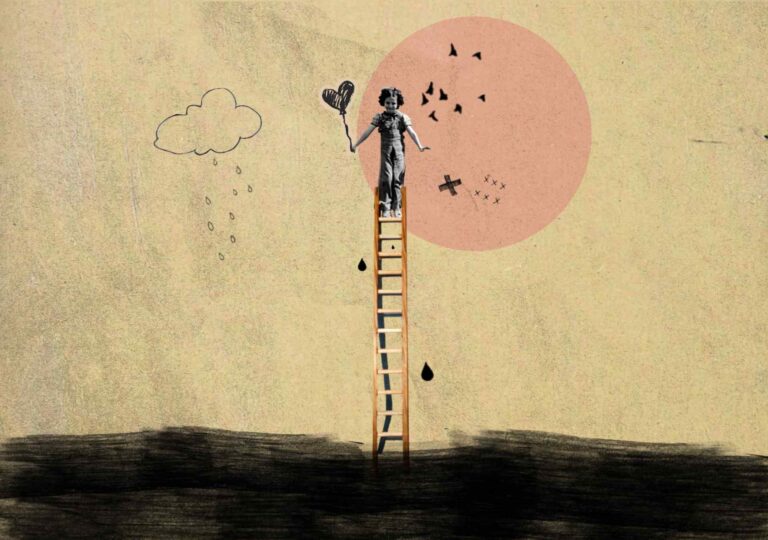
Today she asked me: “Will Btool come back?”
I answered with a tight throat: “She will definitely come back… somehow, she will come back.”
Maybe like May Saloum,
maybe like Mira,
or like Hala and her son…
Or maybe she will return — but I don’t know where to.
Since then, fear has lived with us as part of daily life.
Not a passing fear, but a long, uncertain one — a fear of the unknown.
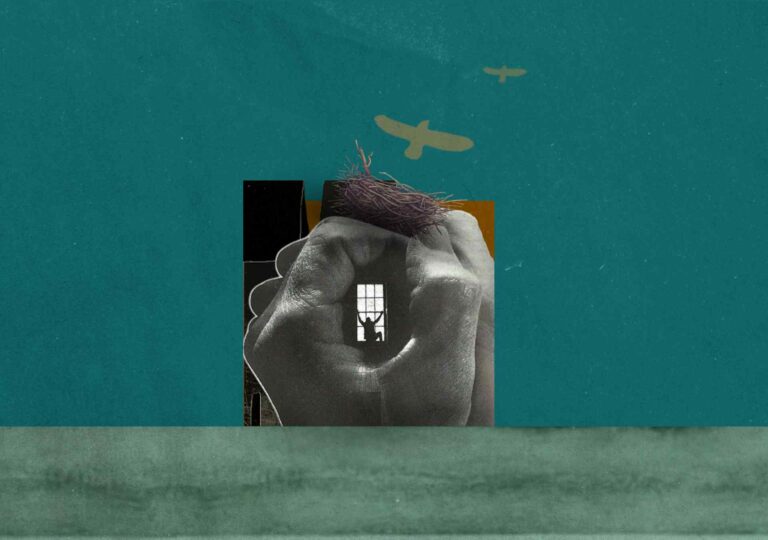
I live with my husband in the countryside, far from the noise of the city, somewhat close to the sea that has always been my only refuge.
But even the sea can no longer calm the anxiety that began growing inside us since the end of 2024.
We were still under the weight of shock and incomprehension. I saw a stranger from the window speaking with my husband, so I went out and stood beside him — perhaps driven by a primal fear of the unknown.
He asked me: “What is your name?”
I replied: “Um Yahiya.”
Then I added: “And also Um Jaan.”
He looked at me in surprise, so I said: “Because I am Christian.”
He asked: “And why did you not convert to Islam?”
I replied: “And why should I? Isn’t worshipping God one and the same?”
He looked at me before withdrawing from the conversation and saying: “No… it is not the same.”
At that moment, I stared at his long hair and beard reaching his waist, and silently wondered: since when can a single idea fill a human mind so completely?
From that moment on, the fear inside me intensified — the same fear felt by many from minority communities. Fear of incoming news, of disappearing names, of unanswered questions, of the shape this country is taking, and of the new language slowly imposing itself on daily life.
With time, that fear no longer seemed exaggerated.
What began to appear were so-called “individual cases”: a young man killed here, a girl abducted there, another report spreading panic through households.
Then came March 7.
That day, it felt as if the roads themselves were soaked in blood. Entire families disappeared, were erased, or were left alone to face loss.
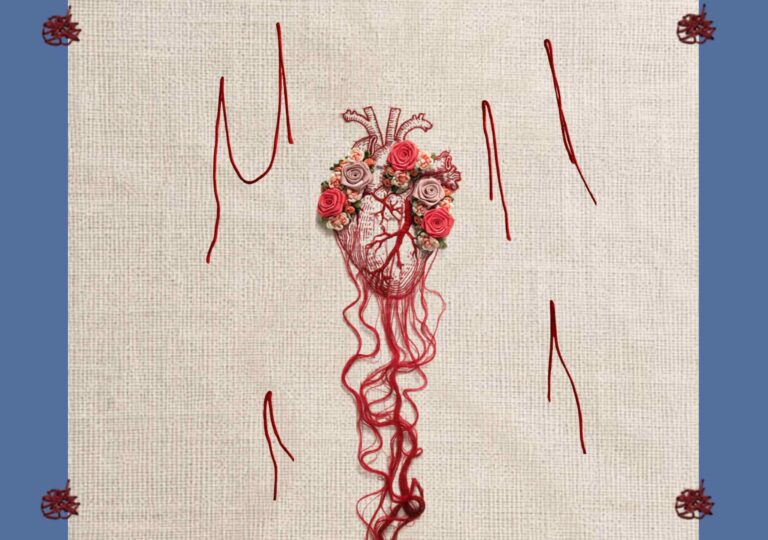
There is nothing more painful than the loss of children. Nothing like the lump that stays stuck in the throat when grief becomes permanent — a tear that never dries.
But what hurt most was what began to accompany the stories of women and girls.
Girls who were once the joy of homes, mothers of the future, suddenly became in some narratives “captives.”
What an ugly word. And what a heavy meaning it carries.
In those moments, it was not one woman who was screaming — but many: Alawite, Druze, Christian, Kurdish… as if Syrian womanhood itself was speaking with one voice:
“I am not a captive… and I will never be.”