
On the Anxiety of Freedom… and What Comes After
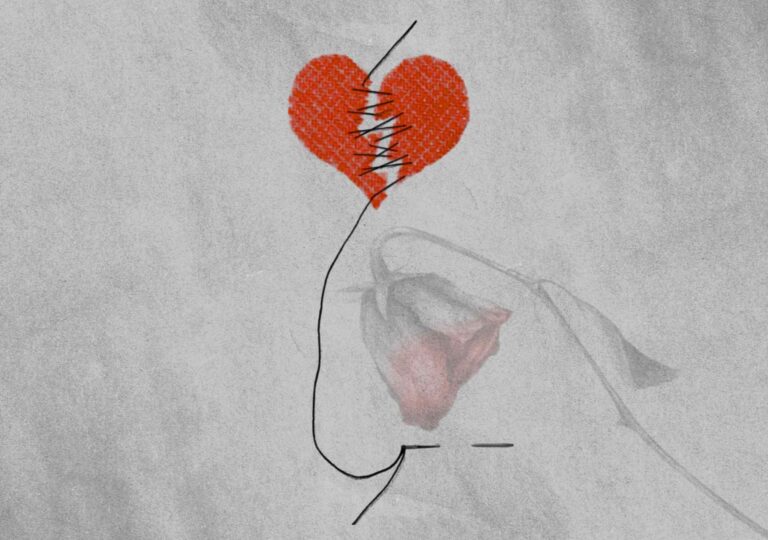
Freedom is not what we like to tell ourselves it is. It is not wings, nor an open horizon, nor that radiant light that streams so elegantly through speeches and poems. In its purest moment, freedom is closer to a sudden void… to the ground being pulled from beneath one’s feet, leaving a person standing alone, with nothing to lean on but themselves.
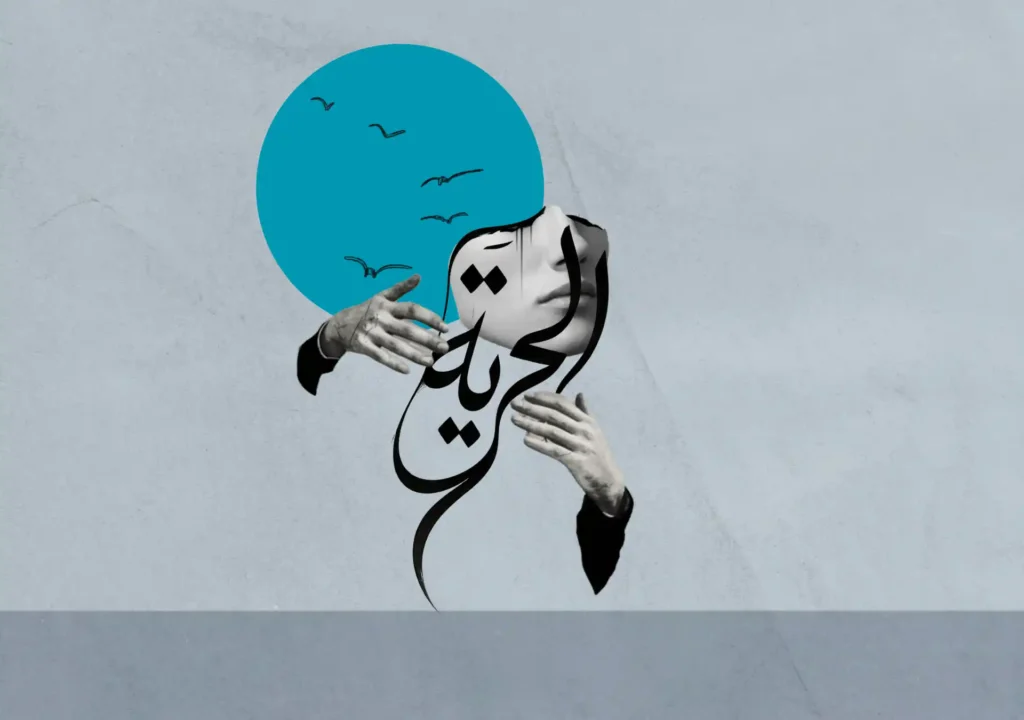
Writing, for me, is not an intellectual luxury, but an exercise in confronting the self.
— Nagham Al-Muhaythawi
And this is where I begin..
There is a hidden compass that guides me whenever I set out to write. It does not point north, as sailors’ compasses do, but toward that uncertain territory between thought and anxiety — where questions are born more often than answers.
I do not write to be reassured; I write to be unsettled.
I do not seek a soft certainty that soothes the soul, but a fine crack in the wall of assumptions, through which a sharp light slips — revealing more than it comforts.
My writing voice is neither rhetoric nor reportage, but an ongoing attempt to unsettle what we imagine to be fixed, and to interrogate what we assume to be self-evident.
Among the certainties I most enjoy disturbing stands freedom.
Many write of freedom as a flawless dream — as though it were a sun that never burns, a sky that never terrifies. It is often presented as the final deliverance, as though once attained, a person becomes settled, peaceful, complete.
Yet the question is rarely asked:
What happens after we become free?
Here, anxiety begins..
For freedom, in its essence, is not a comfortable gift but a heavy burden.
It is a moment of complete exposure, when a human being is left alone before the full range of their possibilities — without ready-made excuses, without an authority to lean upon, without traditions behind which to hide.
Freedom does not merely mean doing as you please.
It means bearing the weight of what you do.
It means admitting that you are responsible — and that there is no one else to carry that responsibility for you.
And here, precisely, begins a certain form of escape.
In Escape from Freedom, Erich Fromm points to a troublingparadox:once human beings free themselves from external constraints, they may not celebrate for long. Consciously or unconsciously, they often begin searching for new constraints.
Not because they love servitude, but because they fear the loneliness that freedom imposes.
To be free is to be an individual — separate, accountable, exposed — and that is no simple condition for the human psyche to endure.
From this perspective, one can understand why people may choose submission, gravitate toward rigid systems, or dissolve themselves into the collective until their own voice disappears. This does not always arise from coercion. Sometimes, it emerges from fear — fear of that vast, open space called freedom.
Freedom is not merely a right. It is an ordeal. And when I write, I do not celebrate freedom as a slogan. I approach it as a dilemma: as a perpetual tension between the desire to break free and the fear of falling. I try to expose that hidden longing for shelter; to point toward the constraints we may weave with our own hands, only to later claim they were imposed upon us.
Writing, for me, is not an intellectual luxury. It is an exercise in confronting the self. Every text I write is a small attempt to answer a larger question: Do we truly want freedom… or only its image?
As for me, I am not afraid to admit one thing: Deep within us, we may not fear constraints as much as we fear their absence. And perhaps the most dangerous thing we could ever face is not having our freedom taken away… but being left with it entirely.